
Most tooth extractions heal well with a little care during the first few days. The questions we hear most often afterwards are usually about food, cleaning around the area, and how to tell the difference between normal healing and something that needs our attention.
This guide covers what to eat, what to avoid, and when it's worth giving us a call. If your dentist provided specific instructions after your extraction, those should always take priority, as they're tailored to your individual situation. If dental visits make you nervous, here's how we look after anxious patients.
What to Eat After a Tooth Extraction
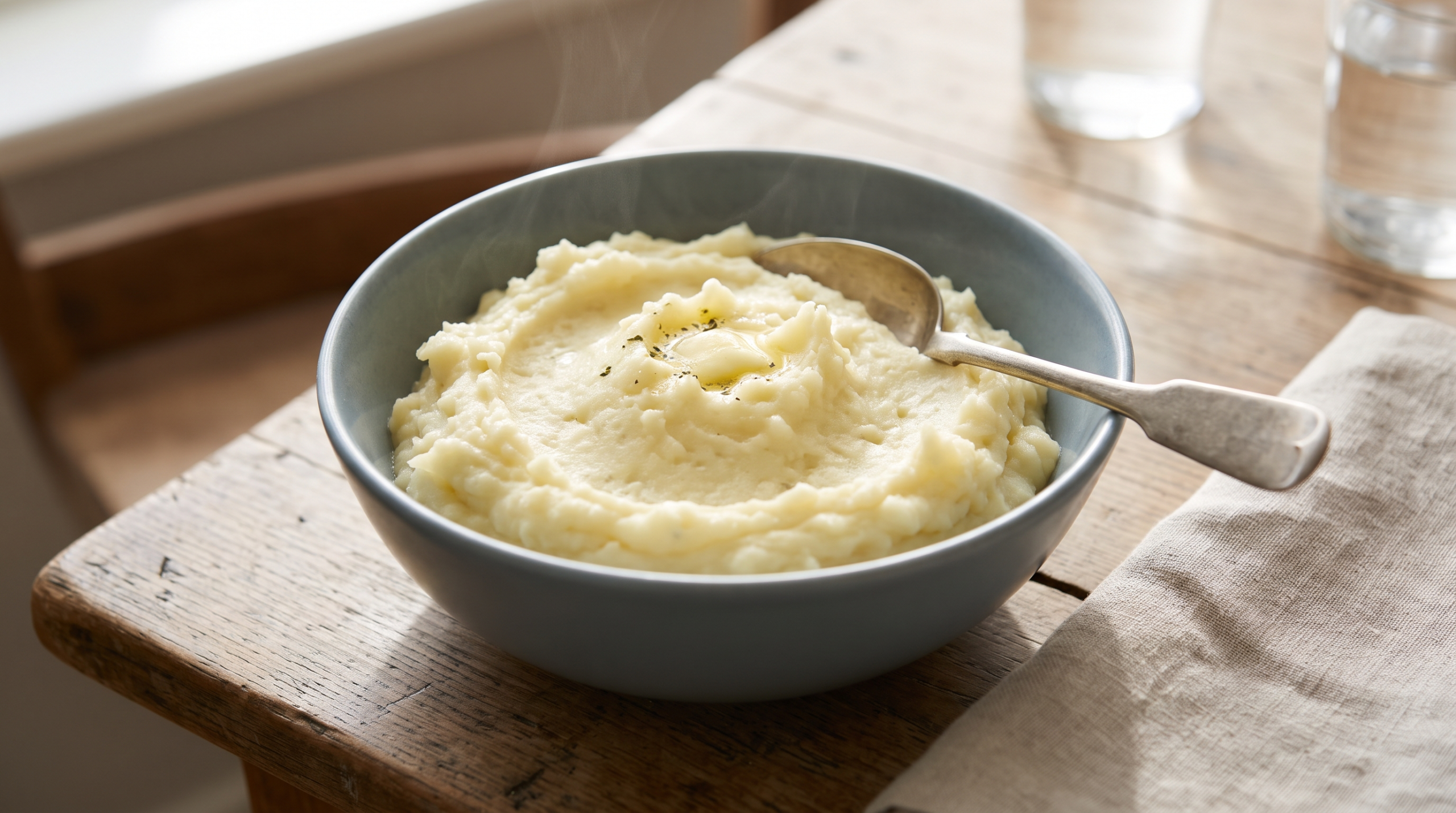
For the first 24 to 48 hours, soft and cool foods are the easiest on a healing socket. Pasta, mashed potato, custard, soup and yoghurt are all gentle options, and cold foods like ice cream can take the edge off any soreness too. Chewing on the opposite side of your mouth to the extraction site, even with soft food, helps keep pressure off the area while it starts to close over.
As the days pass and things start to feel more comfortable, you can gradually work back toward your normal diet. There's no fixed day this has to happen by. It's more about how the area feels than the calendar, so let your own comfort be the guide.

What to Avoid
A few things are worth steering clear of for the first few days:
- Hot drinks and hard or crunchy food for at least 24 hours, since heat and hard chewing can both irritate the extraction site.
- Alcohol and smoking, these slow healing and are linked to a higher chance of complications.
- Straws, for a few days. The suction can dislodge the blood clot that's meant to protect the socket while it heals.
- Vigorous rinsing or spitting on the first day, for the same reason. A gentle salt water rinse from the next day onward is fine.
Most of these restrictions are temporary and about protecting that blood clot, which is doing the actual work of healing underneath.
Dry Socket: Symptoms to Watch For
Dry socket occurs when the blood clot that normally protects the extraction site comes away too early, exposing the bone. It's an uncommon complication, but one that's worth recognising because it requires treatment, not more time to heal.
The main sign is pain that becomes worse two to three days after the extraction, instead of gradually easing. Some people also notice an unpleasant taste or odour from the area, or see a socket that looks empty rather than covered by a dark blood clot.
Normal healing discomfort is usually most noticeable in the first day or two and then it should settle steadily. Dry socket tends to follow the opposite pattern.

When to Call Us
Most of what you'll feel after an extraction is manageable with rest and over-the-counter pain relief, and settles within a few days. It's worth calling us if you notice pain that's getting worse rather than better, any of the dry socket signs above, bleeding that won't settle after firm pressure for 20 to 30 minutes, swelling that keeps increasing after the first day or two, or a fever. None of these are things to wait out.
Replacing a Tooth: What Are Your Options?
Once healing is complete, it may be worth discussing whether the space should be restored. In some situations the gap can be left without causing problems, while in others replacing the tooth helps maintain chewing function, appearance and the position of your other teeth.
Dental Implants
Dental implants replace both the root and the visible tooth, and are often considered for a single missing tooth once the site has fully healed.
Dentures and Bridges
For a missing tooth or several, dentures are a removable option, made to order in our on-site lab, while a bridge is a fixed option anchored to the teeth either side of the gap. Which of the three suits you best comes down to how many teeth are involved and what you'd prefer day to day, and it's something we talk through properly before any decision is made.

Wrapping Up
Most tooth extractions heal without complications. Following the aftercare advice you've been given, choosing softer foods for the first few days, and paying attention to any unexpected changes is usually all that's required while the area recovers.
If pain is getting worse rather than better, or if something doesn't feel quite right, we'd much rather hear from you early than have you worry at home.
Book your appointment with Dental Fresh, or call us on (02) 9389 3656.
Frequently Asked Questions
How long does swelling last after a tooth extraction?
Swelling typically peaks around day two or three and then gradually settles over the following week. Using an ice pack for the first 24 hours, in short intervals, usually keeps it more manageable.
Is it normal for the socket to look empty or whitish as it heals?
Yes, in most cases. A whitish or pale appearance in the socket is often just healing tissue forming, not a sign of dry socket on its own. Dry socket is specifically marked by worsening pain alongside an unpleasant taste or smell, not appearance alone.
When can I brush my teeth normally again?
You can usually brush the rest of your mouth as normal from the day after the extraction, just avoiding the socket itself directly for the first few days. We'll let you know when it's fine to brush that area normally too.
How long does dry socket last?
With treatment, the pain usually starts easing within a few days once the socket has been cleaned and dressed. Left untreated, it generally takes longer to settle on its own, often up to a week or so. Either way, it's worth calling us as soon as you notice the symptoms rather than waiting it out, since treatment is what actually speeds things up.
When can I go back to exercise?
Light activity is usually fine within a day or two, but it's worth holding off on anything strenuous for about a week, since a raised heart rate can increase bleeding risk in the socket.
Do I need antibiotics after a tooth extraction?
Not routinely. Most straightforward extractions heal well without them. Whether they're needed depends on your individual case, which is something your dentist will assess at the time.
References
- Healthdirect Australia. (n.d.). Dry socket - symptoms, treatments and causes. https://www.healthdirect.gov.au/conditions/mouth-and-tooth-diseases/dry-socket
- Dental Health Services Victoria. (n.d.). Care after extraction. https://www.dhsv.org.au/__data/assets/pdf_file/0020/83441/Care-After-Extraction.pdf


